
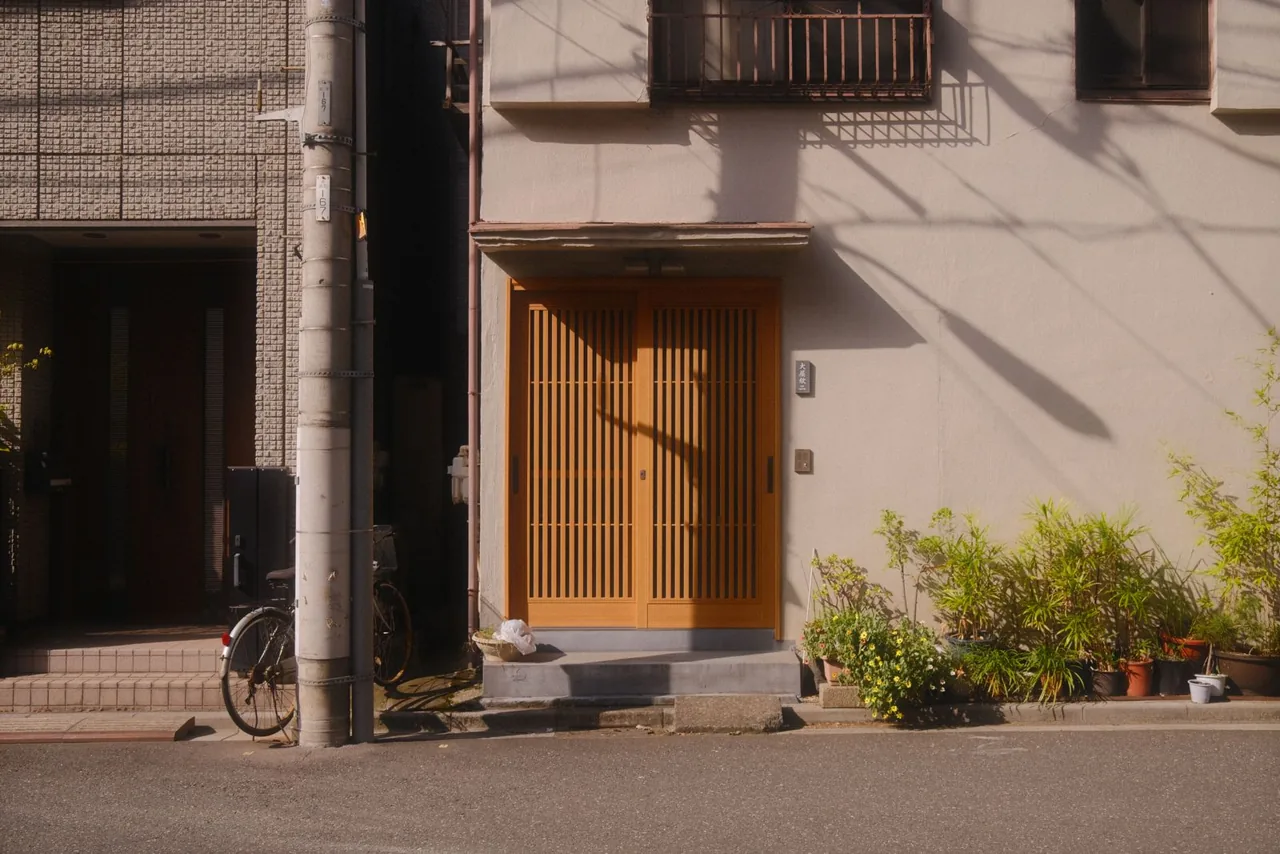
The first thing you do in a Kyoto machiya is take off your shoes, and the second thing you do is slow down, because the building gives you no other choice. These narrow wooden townhouses were built for a different pace of life, and stepping into one is the closest most of us will come to time travel that actually works.
A machiya is a traditional Kyoto merchant's house, long and slender, built to dodge an old tax on street frontage. The result is a home that unfolds backwards in a series of rooms and courtyards, with the front given to business and the quiet living spaces tucked behind. Many fell derelict as the city modernised. A growing number have been carefully restored and now rent by the night, which means you can sleep inside the architecture rather than just photographing it from the street.
The texture of the place
Expect tatami mat floors that smell faintly of straw, sliding paper screens that filter the light into something soft, and a tiny inner garden that pulls greenery and weather into the middle of the house. The materials are honest: wood, paper, plaster, stone. Nothing shines. Everything has been touched by a century of hands and shows it gracefully.
It is not a hotel and you should not expect one. Ceilings are low, stairs are steep and ladder-like, and the bathroom may be a marvel of compact engineering. The reward is a sense of place no international chain can manufacture, the feeling of borrowing a real Kyoto life for a few nights.
A little etiquette goes a long way
Shoes come off at the entrance, always, and there are usually slippers for the house and a separate pair for the bathroom that you must not mix up. The walls and screens are thin, so voices carry and a machiya rewards a quiet evening. Futons are laid out on the tatami at night and folded away by day, which feels strange for one night and entirely natural by the third.
Most rentals leave a folder of house rules, and they are worth reading rather than skimming. They exist because these are fragile, flammable old buildings in dense neighbourhoods, and the etiquette is less about formality than about not being the guest who damages something irreplaceable.
Where to base yourself
Location matters more than usual because Kyoto sprawls. We favour the area around the Higashiyama hills in the east, within walking distance of the old temples and the lantern-lit lanes that empty out beautifully after the day-trippers leave. The Gion side puts you among the teahouses; the area near the Kamo River trades a little atmosphere for easy strolling and good coffee.
Wherever you land, give it more than one night. A machiya reveals itself slowly, in the changing light across the day and the deep quiet after dark, and a single rushed evening barely opens the door.